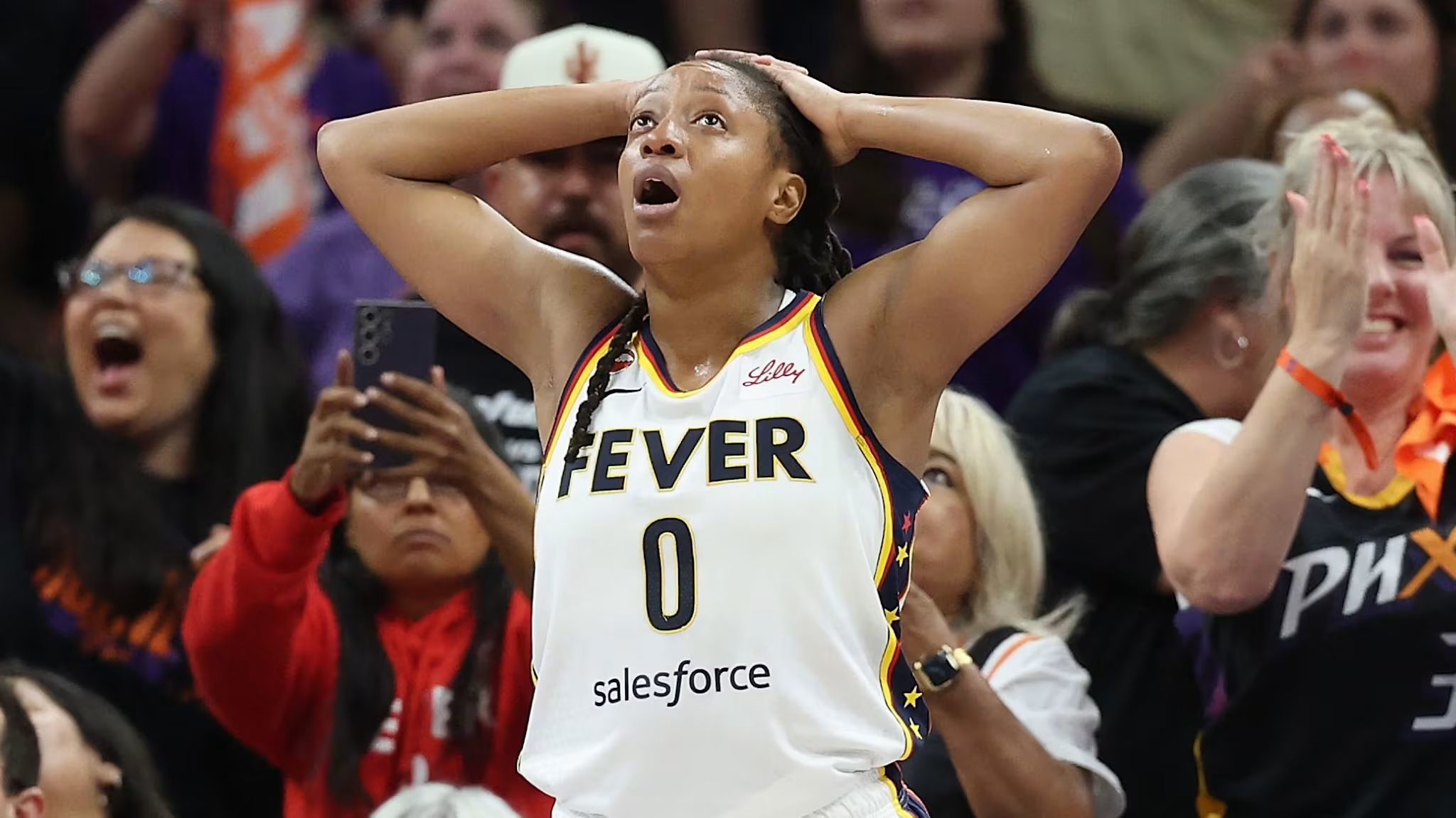
The Caitlin Clark controversy has officially reached Capitol Hill.
After 11 members of Congress sent a letter to WNBA commissioner Cathy Engelbert accusing the league of failing to protect players—particularly Clark—the Indiana Fever made one thing clear: they weren't involved.
"Our organization nor Caitlin have had any interaction with anyone in this congressional group, and we were unaware of their letter," the Fever said in a statement released through reporter Chloe Peterson.
The team stopped well short of endorsing the congressional effort but reiterated a position it has repeated throughout the past several weeks. "We have been clear in our public comments and in our ongoing dialogue with the League about the priority of player safety," the statement continued. "Our players and our fans know where we stand on those issues, and we will continue to stick up for our team and a standard of excellence across the league."
The letter, spearheaded by U.S. Rep. August Pfluger of Texas, argues that Clark has repeatedly been subjected to excessive physical play without sufficient intervention from league officials.
"Caitlin Clark is transforming women's sports," Pfluger wrote. "She has been hip-checked, poked in the eye, and struck in the throat during games. These incidents go far beyond routine physical play, yet the WNBA and its officiating have too often failed to address these unacceptable incidents and hold players accountable."
The congressional intervention is the latest chapter in a story that has dominated the league since the Fever's June 24 matchup with the Phoenix Mercury. Officials initially missed Thomas' contact with Clark's throat before the WNBA upgraded the play to a Flagrant 2, fined Thomas, and suspended her for one game after review.
Fever coach Stephanie White later blasted officials over what she called "cheap shots," while teammate Sophie Cunningham claimed opponents were "definitely targeting" Clark.
The controversy eventually expanded beyond basketball. Thomas revealed she had received death threats after the suspension, prompting Clark to publicly defend her opponent despite agreeing with the league's disciplinary decision.
"As I've stood here and said before, the harassment, the hate, none of that is OK," Clark said earlier this month. "That goes for the opposing team we play. That goes for my teammates. That goes for my coaches."
Congress' letter also references those broader concerns, suggesting the league should examine whether discrimination or retaliation has contributed to what lawmakers described as a "hostile work environment."
The group even floated the possibility of investigations by the Department of Justice, Department of Labor, or Equal Employment Opportunity Commission if warranted.
Neither Engelbert nor the WNBA has publicly responded to the letter.






