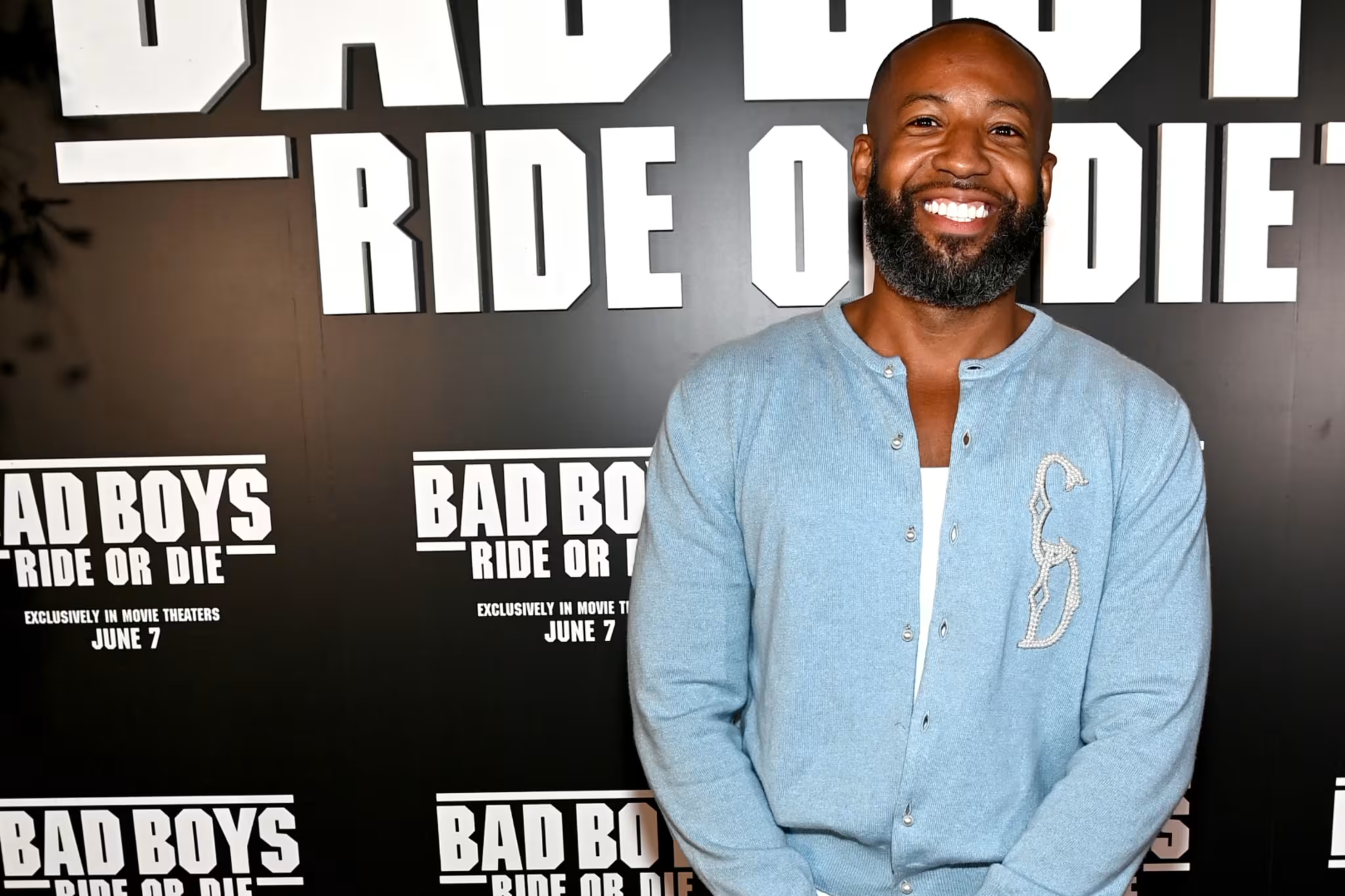
Karamo Brown made headlines Tuesday after stepping away from multiple high-profile morning show appearances tied to the latest season of Queer Eye, citing long-standing concerns about his mental and emotional well-being.
According to People, Brown, 45, was scheduled to appear alongside his castmates on CBS Mornings and Today with Jenna & Sheinelle, but pulled out roughly an hour before going live.
In a statement shared on air, Brown explained that he made the decision to protect his mental health after what he described as feeling “mentally and emotionally abused for years.”
“I hope everyone remembers the main theme I have tried to teach them over the past decade, which is to focus on and to protect their mental health and peace,” Brown said in the statement. “That’s why I can’t be there today.”
He did not specify who or what he was referring to.
However, his absence left co-stars Antoni Porowski, Tan France, Jonathan Van Ness, and Jeremiah Brent to address the situation live on television.
Porowski acknowledged the unexpected moment, describing the situation as complicated but rooted in a long history together. After nearly a decade working as a group, he noted that closeness can come with challenges, adding that the press run remained focused on the show’s mission and the people featured this season.
Brent, who joined the series after Bobby Berk’s departure, shared that his experience with the cast has been overwhelmingly positive. He said he has felt “safe and supported” working with the group and credited the show with shaping how he approaches relationships and life.
Brown later appeared via a prerecorded video message on Today, reiterating that his therapist advised him to step back and prioritize his well-being. Smiling and calm, he told viewers, “Just like the themes of this season, I’m modeling what I believe is most important: love yourself and protect yourself.”
While Brown thanked the show’s crew, fans, and Netflix executives, he did not mention his fellow cast members by name. Still, France emphasized that Queer Eye “was never about us,” expressing pride in the work Brown has contributed over the years.